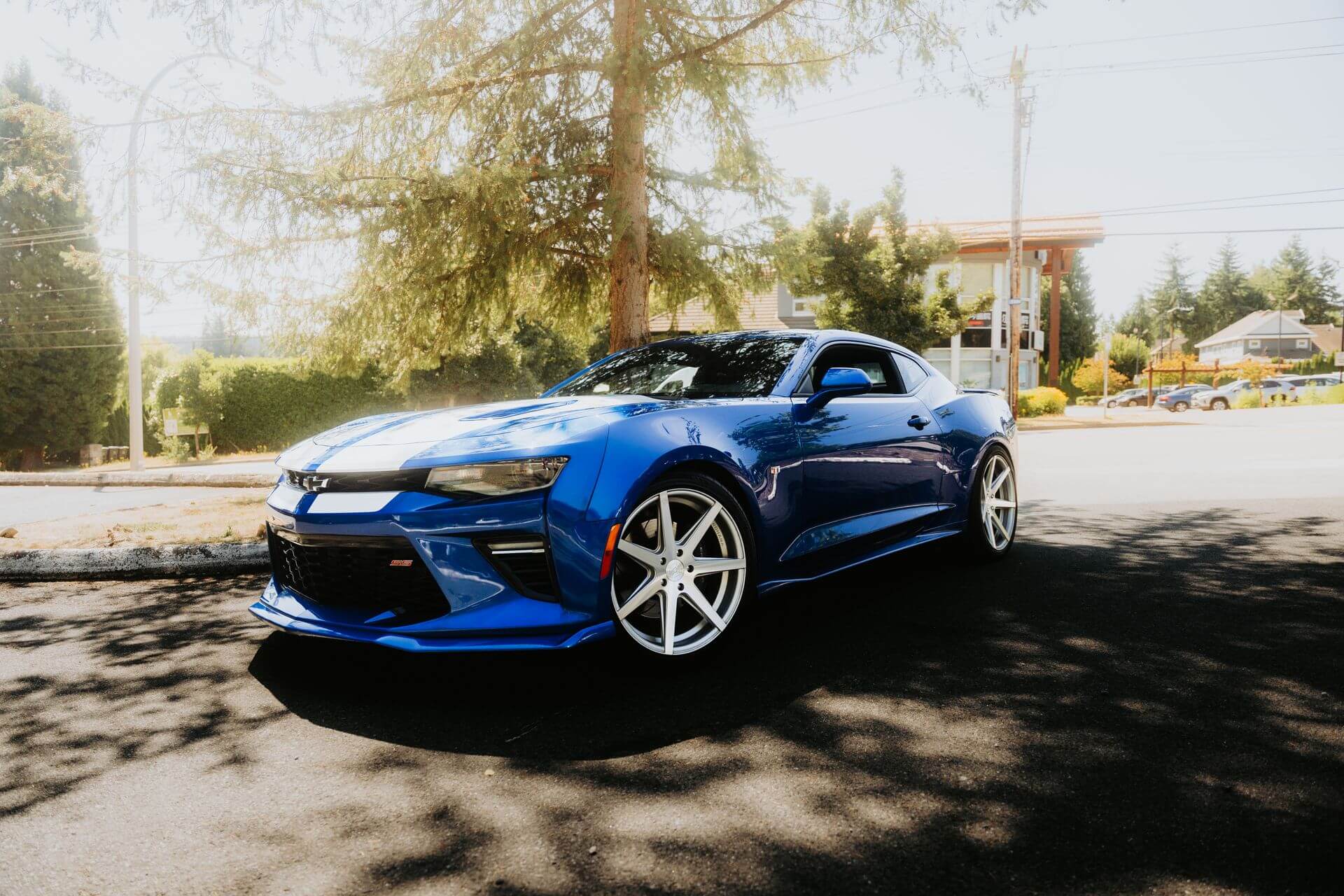

If you’re searching for Stage 3 Remaps in Wigan, there’s a good chance you’re no longer looking for a modest increase in power. You’re building a serious performance vehicle and want to extract every ounce of potential from your engine through carefully selected hardware upgrades and bespoke ECU calibration.
At Remap Wigan, we work with enthusiasts who understand that Stage 3 tuning isn’t simply about achieving the biggest horsepower figure possible. It’s about creating a balanced package where every component works together to deliver exceptional performance while maintaining reliability wherever possible.
This guide explains exactly what a Stage 3 remap involves, the modifications typically required, the benefits, potential drawbacks and why professional tuning is essential when you’re operating at this level of performance.
What Is a Stage 3 Remap?
A Stage 3 remap is a custom ECU calibration developed for heavily modified vehicles that have undergone extensive mechanical upgrades. Unlike Stage 1 or Stage 2 remapping, which retain many of the original factory components, Stage 3 tuning is built around a substantially upgraded engine and supporting systems.
At this stage, the vehicle is no longer operating anywhere near its original factory specification. Larger turbochargers, upgraded fuel systems and enhanced cooling components all require bespoke ECU software that has been carefully developed around the exact configuration of the vehicle.
There is no universal Stage 3 file. Every calibration should be tailored to the individual engine, hardware combination and intended use of the vehicle.
How Does a Stage 3 Remap Work?
Modern ECUs control virtually every aspect of engine operation, from boost pressure and ignition timing to fuel delivery, torque management and throttle mapping. When major hardware upgrades are installed, the factory software is no longer capable of managing the engine efficiently.
A Stage 3 remap recalibrates these systems so they operate together as one cohesive package. Rather than relying on generic software, the ECU is programmed specifically for the upgraded components fitted to the vehicle, allowing them to perform safely and efficiently.
The objective isn’t simply to increase power. It’s to deliver strong, predictable performance while ensuring the engine receives the correct amount of fuel, air and ignition timing under every driving condition.
Fuel System Calibration
Higher power levels require significantly more fuel than a standard engine can deliver. Larger injectors and upgraded fuel pumps allow increased fuel flow, but they also require precise ECU calibration.
A Stage 3 remap adjusts injector scaling, fuel pressure targets and injection timing to ensure the engine maintains the correct air-to-fuel ratio across the entire rev range. This is essential for both performance and engine protection.
Turbocharger Management
Many Stage 3 builds feature hybrid or larger aftermarket turbochargers capable of producing considerably more boost than the original unit.
The ECU software controls how that boost is delivered, balancing performance with reliability. Proper boost management helps minimise turbo lag while producing strong and consistent acceleration from low engine speeds through to the top of the rev range.
Ignition and Torque Optimisation
With increased airflow and fuel delivery, ignition timing must also be recalibrated to maximise combustion efficiency.
Torque management strategies are revised to suit the upgraded drivetrain, ensuring power is delivered smoothly while helping to protect critical mechanical components.
What Modifications Are Required?
A Stage 3 remap is never performed on a standard vehicle. Significant supporting modifications are required before the ECU can be calibrated to this level.
Although every build is different, common Stage 3 upgrades include:
- Larger or hybrid turbocharger
- High-capacity fuel injectors
- Upgraded high-pressure or low-pressure fuel pump
- Performance intercooler
- High-flow intake system
- Performance exhaust system
- High-flow downpipe
- Upgraded clutch or transmission components
- Enhanced engine cooling
- Strengthened internal engine components on higher-powered builds
The exact requirements depend entirely on the vehicle, engine platform and performance goals. At Remap Wigan, we always assess the complete specification before recommending a Stage 3 calibration.
How Much Power Can a Stage 3 Remap Produce?
There isn’t a single answer because every Stage 3 build is unique. Two vehicles with the same engine can produce very different results depending on the turbocharger, fuel system, supporting modifications and overall condition of the engine.
Some vehicles gain an additional 50 or 100 horsepower over Stage 2, while others can produce several hundred horsepower more than their original factory output. The hardware ultimately determines the potential, while the ECU calibration allows that hardware to perform safely and efficiently.
Our focus is never on chasing unrealistic numbers. Instead, we aim to deliver reliable, usable performance that reflects the quality of the components installed.
Is a Stage 3 Remap Suitable for Everyday Driving?
That depends on the vehicle and how it has been built.
Some Stage 3 cars remain perfectly usable on public roads, offering impressive performance while retaining reasonable comfort and reliability. Others are designed primarily for track days, drag racing or weekend use, where outright performance takes priority over everyday practicality.
Larger turbochargers may introduce additional turbo lag, uprated clutches can feel heavier and suspension upgrades often create a firmer ride. These are normal compromises when building a high-performance vehicle, and it’s important to understand them before deciding whether Stage 3 tuning is right for you.
Reliability Considerations
A properly built Stage 3 vehicle can be reliable, but it requires considerably more attention than a standard car.
Higher power outputs place increased demands on the engine, turbocharger, transmission and cooling system. Regular servicing, quality lubricants and routine inspections become even more important to ensure everything continues operating as intended.
The quality of the build also plays a major role. Premium components installed correctly and paired with professional ECU calibration are far more likely to deliver dependable performance than budget parts combined with generic tuning software.
Stage 1 vs Stage 2 vs Stage 3
Understanding the differences between the three tuning stages helps determine which option best suits your goals.
Stage 1 is designed for completely standard vehicles and delivers noticeable improvements through software optimisation alone.
Stage 2 builds upon this by incorporating supporting hardware modifications, allowing the engine to breathe more efficiently and produce greater power.
Stage 3 goes significantly further, requiring extensive mechanical upgrades and a bespoke ECU calibration developed specifically for the individual vehicle. It represents the highest level of tuning before moving into fully custom motorsport applications.
For the majority of drivers, Stage 1 or Stage 2 provides more than enough performance. Stage 3 is aimed at enthusiasts who want to build a genuinely high-performance machine.
How Long Does a Stage 3 Remap Take?
Unlike Stage 1 remapping, Stage 3 tuning often involves far more preparation than simply programming the ECU.
Before calibration begins, the vehicle must be thoroughly inspected to ensure every supporting modification has been installed correctly and is functioning as expected. Once the original ECU software has been backed up, the bespoke calibration is installed and tested to confirm the engine is operating safely throughout the rev range.
The tuning process itself varies depending on the complexity of the build, but accuracy is always more important than speed. Taking the time to calibrate the vehicle correctly helps ensure consistent performance and long-term reliability.
Why Bespoke ECU Tuning Is Essential
At Stage 3, there is no room for generic tuning files.
Every engine behaves differently depending on its hardware specification, software version, fuel quality and intended use. Even two vehicles with identical modifications may require different calibration adjustments to achieve the best possible results.
A bespoke Stage 3 remap takes these differences into account, producing software that’s tailored specifically to your vehicle rather than relying on assumptions or copied files. This approach delivers smoother performance, better drivability and a much greater level of confidence when driving hard.
Common Questions About Stage 3 Remaps
Can Any Vehicle Have a Stage 3 Remap?
Not every vehicle is suitable. Some engines have limited aftermarket support, while others require substantial investment before Stage 3 tuning becomes practical. We’ll always advise whether your vehicle is a suitable candidate based on its platform and your performance objectives.
Will Fuel Economy Decrease?
Most Stage 3 vehicles consume more fuel than standard because they’re designed to produce considerably higher power outputs. While efficient calibration helps optimise combustion, increased performance inevitably requires more fuel under load.
Do I Need to Upgrade the Engine Internals?
That depends on your target power level. Many engines can safely support moderate Stage 3 builds using standard internals, while higher-powered applications often require forged pistons, connecting rods or other strengthened components. The decision should always be based on the capabilities of your specific engine.
Why Choose Remap Wigan?
Building a Stage 3 vehicle represents a significant investment, so choosing the right tuning specialist is essential.
At Remap Wigan, we understand that no two performance builds are the same. Every Stage 3 calibration is approached individually, taking into account the complete vehicle specification, the quality of the supporting hardware and your expectations for how the car should perform.
Our goal is to create software that complements your build rather than simply producing impressive figures on paper. Smooth power delivery, predictable performance and dependable reliability remain at the centre of every calibration we carry out.
Book Your Stage 3 Remap in Wigan
If you’ve invested in extensive performance upgrades and want to unlock the full capability of your vehicle, a professionally developed Stage 3 Remap in Wigan is the final piece of the puzzle. With bespoke ECU calibration tailored to your exact hardware, you can enjoy performance that feels powerful, refined and confidence-inspiring every time you drive.
Contact Remap Wigan today to discuss your vehicle, your modifications and your performance goals. We’ll help you determine whether your build is ready for Stage 3 tuning and develop a custom calibration that allows your upgraded engine to perform at its absolute best.
Get A Quick Quote
Please provide your contact details here, and we’ll get back to you shortly with a personalised quote.